



The Allure of Gambling: Understanding the Attraction
Casino gambling attracts millions worldwide, often drawing individuals fascinated by the thrill of chance. Many are captivated by the prospect of winning large sums of money while indulging in the sensory experiences casinos offer, including options like casino fast withdrawal uk , which enhance the overall experience. The combination of bright lights, enticing sounds, and the anticipation of winning creates an environment that can easily draw people in, making it difficult for them to resist the temptation to play. The immersive atmosphere can evoke feelings of excitement and euphoria, reinforcing the desire to engage in gambling activities.
This attraction can also be linked to the psychology of risk-taking behavior. For some, the excitement of gambling provides an adrenaline rush that is not easily found in everyday life. Engaging in high-stakes games allows individuals to escape the monotony of their routine, providing a temporary respite from daily stressors. This escapism is a significant motivator that drives people back to casinos, despite potential downsides. The thrill of risking money for the chance of a big win often overshadows the reality of losing, making it a compelling pursuit for many.
The social aspect of gambling further enhances its appeal. Many people enjoy the camaraderie that comes from being in a vibrant environment surrounded by other players. The shared experience of winning or losing can create bonds and a sense of community among gamblers. This interaction is not just about the games; it’s about the laughter, conversations, and collective excitement that accompany them. The social dynamics of casinos can make them an attractive venue for social gatherings, blurring the lines between entertainment and social interaction.
The Role of Psychology in Decision Making
When individuals engage in casino gambling, their decision-making processes are heavily influenced by psychological factors. Cognitive biases, such as the illusion of control, play a prominent role in how gamblers perceive their chances of winning. Many players believe that they can influence the outcome of games through skill or strategy, leading them to take risks that may not align with statistical probabilities. This misjudgment can skew their perception of success and encourage further gambling even after losses.
This distortion of reality is further exacerbated by the concept of near-misses. Gamblers often feel encouraged when they come close to winning, as it can reinforce their belief that they are on the verge of a big win. This psychological phenomenon can lead individuals to continue gambling even in the face of repeated losses, believing that their luck will eventually change. The desire to recapture that near-win feeling can create a cycle where players disregard logical reasoning in favor of emotional impulses.

Lastly, the concept of loss aversion can affect a gambler’s behavior significantly. Research suggests that people tend to feel the pain of a loss more acutely than the pleasure of a gain. As a result, when players encounter losses, they may chase their losses by betting more aggressively, hoping to recover what they’ve lost. This cycle can lead to harmful gambling habits and financial difficulties. Understanding this psychological dynamic is essential for recognizing how easily one can fall into a pattern of compulsive gambling.
Addiction and Behavioral Patterns
The psychology behind casino gambling can often lead to addictive behaviors. For some individuals, gambling can shift from a recreational activity to a compulsive one, driven by the psychological rewards associated with it. The rush of winning can become intertwined with the need for stimulation, creating a dependency that can be challenging to break free from. The emotional highs and lows associated with gambling can mimic the effects of substance addiction, reinforcing the cycle of engagement.
The signs of gambling addiction can manifest in various ways. People may find themselves prioritizing gambling over other essential aspects of their lives, such as work, relationships, and health. This compulsive behavior often leads to significant consequences, including financial ruin and strained relationships, contributing to a vicious cycle that is hard to escape. The inability to control gambling urges can lead to feelings of guilt and shame, further entrenching individuals in their addiction.
Moreover, underlying psychological issues, such as anxiety or depression, can contribute to the severity of gambling addiction. Individuals may resort to gambling as a form of self-medication to cope with emotional distress. This interplay between mental health and gambling underscores the importance of tailored treatment approaches that address both the addiction and the psychological factors at play. Effective interventions often require a comprehensive understanding of the individual’s psychological landscape and the factors driving their gambling behavior.
The Impact of Environment on Gambling Behavior
The environment of a casino is meticulously designed to enhance the gambling experience, and it plays a crucial role in shaping players’ behaviors. From the layout of the gaming floor to the design of the machines and tables, everything is crafted to keep players engaged and encourage them to spend more time gambling. The absence of clocks and windows creates a sense of timelessness, making it easy for individuals to lose track of time while seeking their next win. This strategic design can trap players in a cycle of continuous play, blurring the line between entertainment and compulsion.
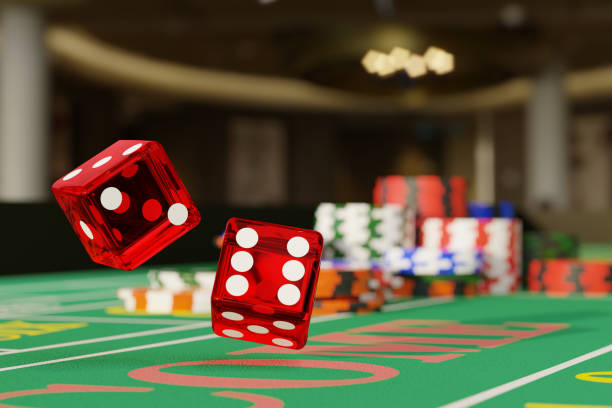
Moreover, the availability of complimentary drinks and rewards programs further incentivizes prolonged play. Casinos often provide free beverages and meals as a strategy to keep players on the gaming floor, minimizing their inclination to leave. This approach creates a cycle where gamblers feel encouraged to continue playing, even when they may have already reached their limit. The allure of loyalty points and bonuses can also cloud judgment, leading individuals to gamble more than they originally intended.
Another noteworthy environmental factor is the presence of crowds and the collective energy within the casino. The excitement of other players around them can create a contagious atmosphere that encourages individuals to gamble more. Winning streaks from nearby players can also trigger emotions that propel others to join in, illustrating the powerful influence of social reinforcement in gambling environments. The atmosphere is designed to amplify excitement and create an environment where losing track of time and money feels natural.
Understanding Responsible Gambling and Resources
As the psychological dynamics of casino gambling become more apparent, the importance of responsible gambling practices looms larger. Education and awareness are vital components in helping individuals understand their limits and the potential risks associated with gambling. Many casinos and gaming organizations offer resources to support responsible gambling, including self-exclusion programs and informational materials about addiction. These initiatives aim to promote a healthier relationship with gambling and encourage players to seek help if needed.
Support groups and counseling services are also invaluable resources for those struggling with gambling addiction. These platforms provide a safe space for individuals to share their experiences, offering peer support and guidance in navigating the challenges of recovery. Programs like Gamblers Anonymous provide structured support that can help individuals reclaim control over their gambling habits. This collective approach can foster accountability and provide motivation for those seeking to overcome their addiction.
Ultimately, understanding the psychological aspects of gambling can empower individuals to make informed decisions. By fostering awareness of the risks and implementing responsible gambling practices, players can enjoy the entertainment aspect of casinos while minimizing the potential for harmful consequences. Access to resources plays a critical role in maintaining a healthy balance between gaming and life outside the casino. As awareness grows, so does the potential for individuals to engage in responsible gambling, ultimately leading to a more sustainable gaming culture.